

If you have ever woken up in the middle of the night, fumbling in the dark for your water glass only to knock it over because your nightstand was too low, you know exactly why I am writing this. In my 20 years of navigating the tricky floor plans of UK homes—from Victorian terrace alcoves to modern apartment box rooms—I have seen hundreds of bedrooms ruined by a simple mismatch: the wrong bedside table height.
If you are currently rocking a 65 cm mattress setup, you are likely working with a deep pillow-top or a combination of a substantial divan base and a mattress. This height is common, but it requires precision. Let’s stop guessing and start measuring.
The Golden Rule: Subtract 5-10 cm
My cardinal rule for bedroom ergonomics is simple: your bedside table should sit 5 to 10 cm below the top surface of your mattress.
Why this specific range? It comes down to basic biomechanics. If the table is flush with or higher than your mattress, you risk knocking things over in your sleep, and it visually “crowds” your sleeping space. If the table is more than 10 cm lower than the mattress, you have to reach down too far, which can lead to shoulder strain or, worse, spilling your water because you’re reaching blindly into a “valley.”
For a 65 cm mattress, this means your ideal nightstand height should be between 55 cm and 60 cm. This is a very specific sweet spot, and as I often tell my clients, if you aren’t using a tape measure to verify this before buying, you are essentially throwing money at a guessing game.
Step-by-Step: How to Measure Like a Pro
Before you hit the “checkout” button on that designer nightstand, follow these steps. I have seen too many people trust the “standard” dimensions listed on websites only to find they don’t match the reality of their floor-to-mattress height.
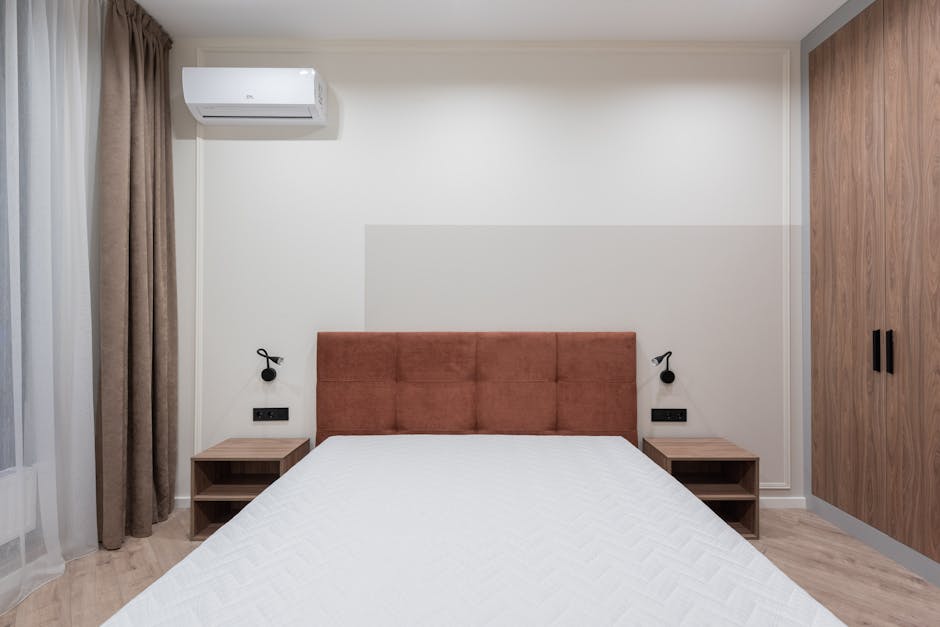
This reminds me of something that happened made a mistake that cost them thousands.. I often refer to resources like the National Institute of Standards and Technology (NIST) when discussing human factors in design. They emphasize that furniture reach should be comfortable for the user’s range of motion. If you have to twist your torso to reach your phone, the table is the wrong height, period.
Why Your Bed Type Matters
Ask yourself this: not all 65 cm mattresses are created amumreviews.co.uk equal. The way your base interacts with your mattress significantly changes how you reach for items.
Ergonomics and Bedtime Reach
Think about what you actually keep by your bed. Glasses, a phone charger, a lamp, and a water carafe. If your nightstand is at 50 cm and your mattress is at 65 cm, you are constantly reaching “down and over.” Over time, this repetitive motion is annoying and ergonomically poor. As noted by the experts at amumreviews.co.uk, functionality in the bedroom is the difference between a restful space and a frustrating one.
If you are looking for aesthetic inspiration, brands like Petalwood Interiors often showcase nightstands that bridge the gap between high-end design and practical utility. However, regardless of the brand, never trade height for style. A 45 cm tall table with a 65 cm mattress is a recipe for a cluttered, inaccessible bedside.
What if I can’t find a 55-60 cm table?
This is a common struggle in the UK market where many standard nightstands hit the 45-50 cm mark. If you find a piece you love that is slightly too short, don’t despair. Here is what I recommend to my clients:

- Leg extensions: High-quality furniture legs can sometimes be swapped out for slightly taller ones.
- Floating nightstands: These are my secret weapon. Since they are wall-mounted, you can install them at the exact centimetre height you need, regardless of standard manufacturing sizes.
- Check “Side Table” categories: Sometimes a piece labelled as a “side table” or “accent table” has the perfect 55-60 cm height that traditional “nightstands” lack.
The “Mattress Overhang” Check
Before finalizing your purchase, I always ask clients to look at the side of their bed. If you have a very thick pillow-top mattress, it likely has a bit of “give” or even a slight overhang past the base. Ensure your nightstand depth does not interfere with the natural edge of your mattress. You don’t want a sharp corner of a wooden nightstand digging into the side of your mattress every time you move.
Summary Checklist
Let’s recap the process to ensure your bedroom is set up for success:
- Measure floor to mattress top: Get your tape measure out.
- Identify your target: If mattress height is 65 cm, your nightstand surface needs to be between 55 cm and 60 cm.
- Check for clearance: Ensure you aren’t blocking any drawers or radiator valves in your alcove.
- Test the reach: Sit on the edge of your bed and reach out. Your arm should be slightly bent, not fully extended downwards.
Remember, the goal of your bedroom is recovery. By ensuring your bedside table is at the right height, you are eliminating small, daily stressors. Whether you are buying a bespoke piece from a boutique or repurposing an existing unit, keep the tape measure in your hand and the math in your head. Your spine, and your water glass, will thank you.